BMSB: Exceeding Threshold in Orange and Ulster County This Week. September 17th, 2026
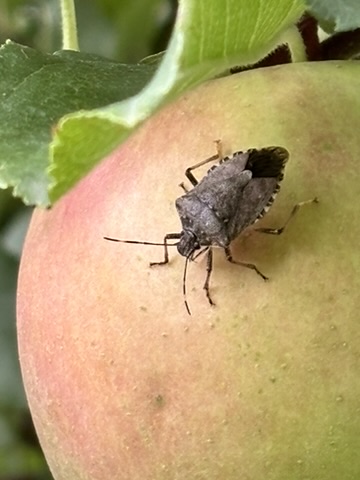
Adult BMSB feeding on Pink Lady
Brown Marmorated Stink Bug (BMSB) Halyomorpha halys (Stål), are making their way to traps, increasing in number throughout the region. Additionally, movement to apple foliage and fruit continues to be observed with injury to perimeter fruit increasing across varieties.
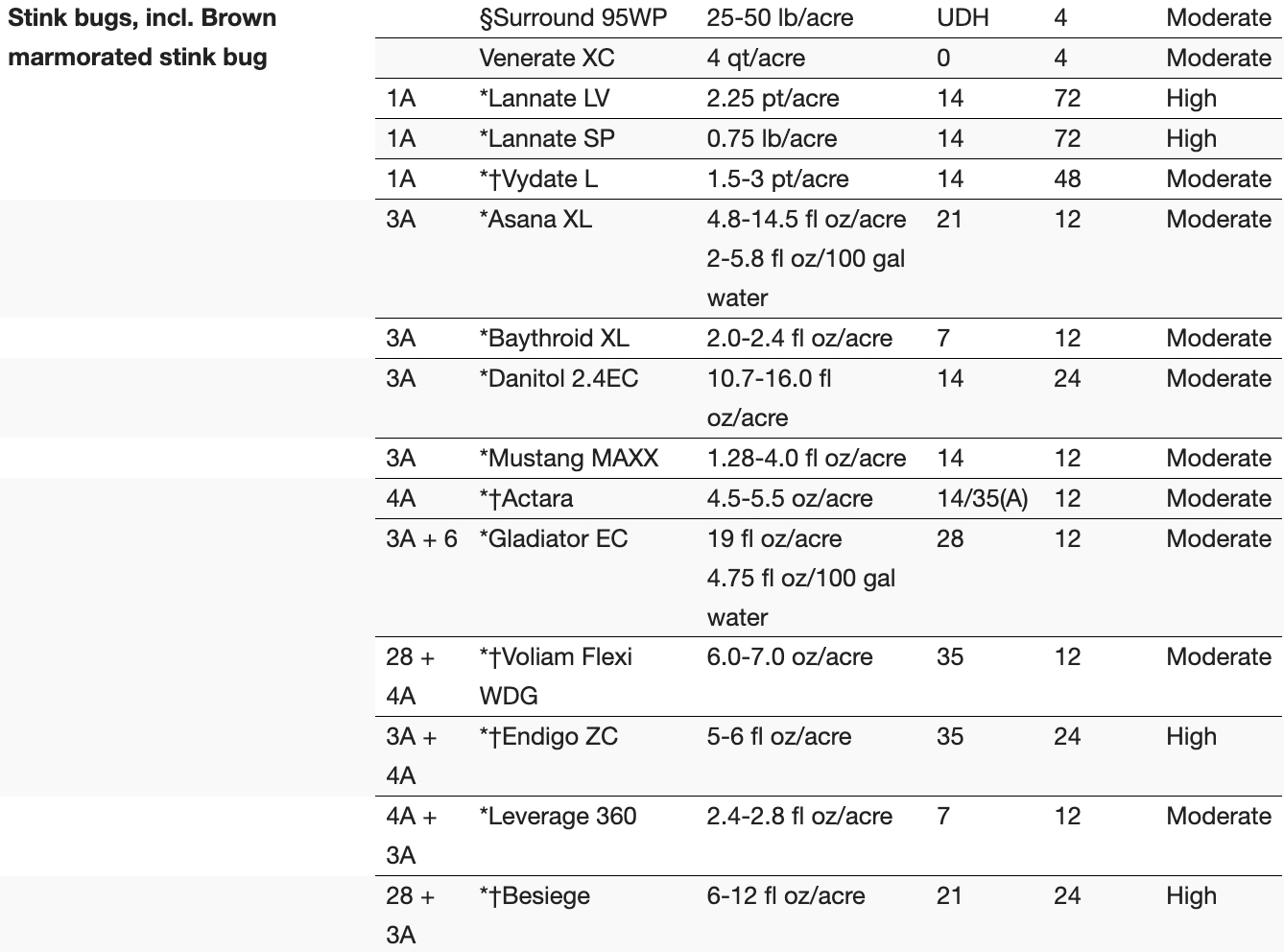
Trap numbers of stink bug in combination with scouting observations should precede management during this time of BMSB population build-up. Review labels for pre-harvest intervals (PHI) when choosing insecticides as the most effective materials have 14 DTH constraints.
When thresholds are exceeded (10 adults/trap/week in Tedders or 2-3 / panel trap/week) or stink bug become visible along the orchard edge, border row applications should begin. These should then be followed by alternate row, then whole orchard applications as movement of native and BMSB populations begin to migrate into orchards. As stink bug are orchard edge opportunists, the majority of the injury to fruit will occur along the wooded orchard edge, 30′ to 90′ along the perimeter into the block of varieties highly susceptible. These include Golden & Red Delicious, Empire, Ruby Frost, and the last standing…Pink Lady. As fruit diminishes through harvest, BSMB funnel to the remaining fruit, which could be heavily injury in October through early November.
Scouting is important to determine the insects’ presence and injury in the orchard. Perimeter and alternate row applications (ARM) beginning at threshold may suffice under low population levels. As the insect is quite mobile through flight and crawling, its movement through the canopy will increase its contact with insecticide residue under ARM.
Monitoring: Remember that trap captures combined with scouting for the various life stages of the insect along the orchard perimeter rows should be the basis for insecticide applications. Unlike most other pests, we should not be using IPM thresholds based on stink bug feeding that results in fruit damage. As expression of the injury occurs 7-10 days or longer after feeding, you would have missed your opportunity to reduced injury if you postpone preventative applications while waiting on injury that has already occurred to become visible.
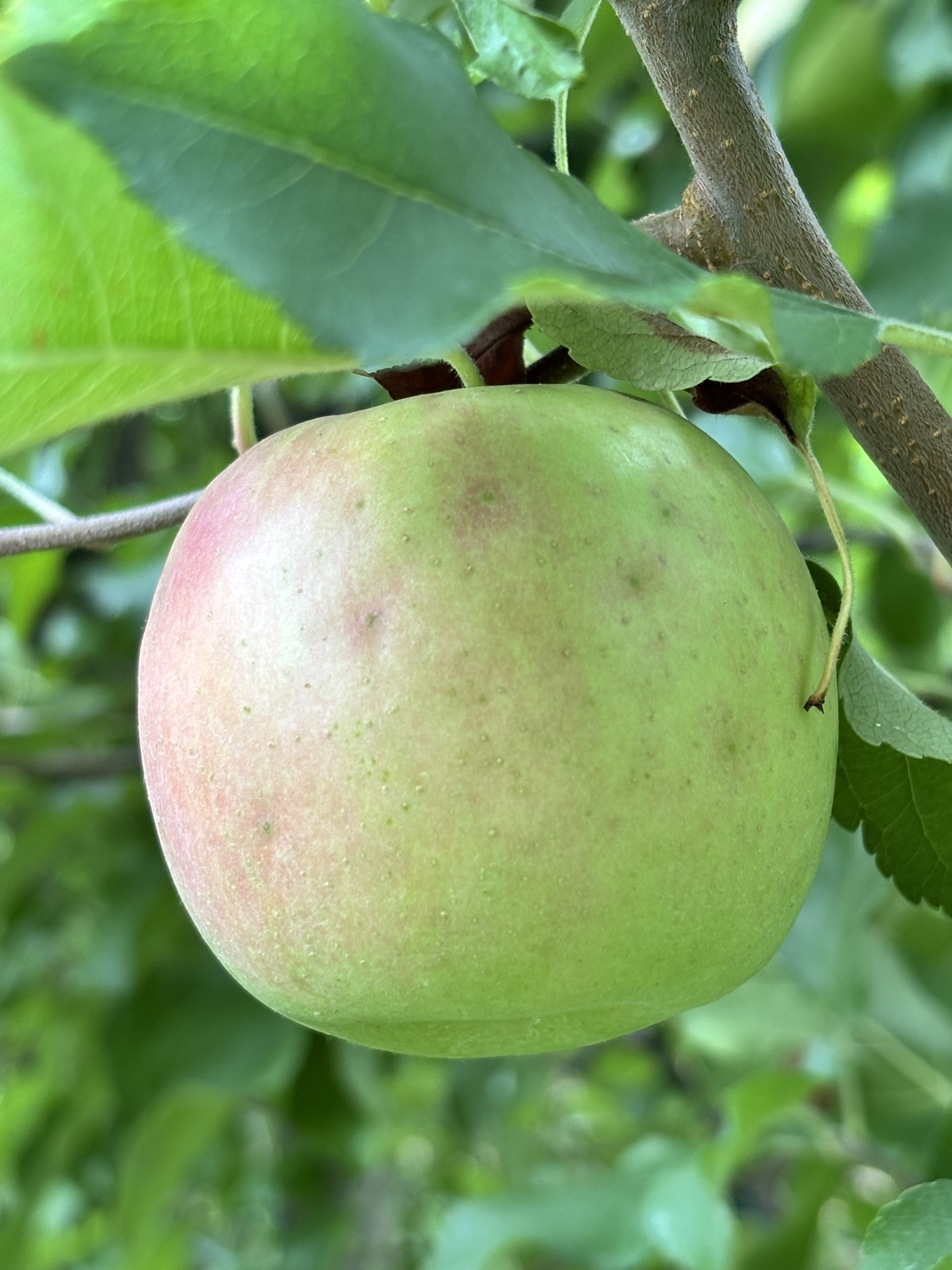
Perimeter fruit feeding injury to Pink Lady.
Use a conservative presence and trap threshold on through harvest. Finding a single BMSB or green stink bug in the tree canopy within 100′ of scouted perimeter row would be considered a conservative threshold. Driving along the orchard will likely spook the insects. You’ll need to stealth your way quietly around the orchard…its good exercise in the early evening or morning. Green stink bug tend to remain low while BMSB tend to move to the tops of the trees to feed.
Management: When selecting insecticides for border row, alternate row and whole orchard applications you should consider constraints on your markets. If weather turns to drought, then longer residue based on the active ingredient minimum residue level (MRL) could become an issue, especially in EU markets and Israel. Review your options carefully with regards to harvest dates, PHI’s, re-application intervals and seasonal A.I. volume.
When BMSB populations dramatically increase during late season, migration into orchards can be dramatic. BMSB have been known to ‘funnel down’ to the last variety standing (such as the high valued Pink Lady). In which case applications in late October may be warranted!!
One of the most effective tools for use to manage BMSB is the active ingredient bifenthrin in a number of formulations such as Brigade WSB. to reduce near harvest MRLs Venerate XC at the high labeled rate has shown excellent feeding inhibition in commercial orchard and laboratory trials over the past few years.
PMEP BMSB Management Options: