Signs of Green in Early Varieties Along the Mid-Hudson Valley of NY March 29th, 2026
Overview: Weather in March over the past four weeks has not provided sound conditions for copper and oil applications to manage disease, mite and scale. Now that green tissue is showing, and warmer evening temperatures are above freezing on both sides on Monday 30th of March, our options for controlling both arthropods and disease begin to appear. Over 4″ of rain has fallen in March, making low orchard sites saturated, requiring caution around the end rows.
Forecasts predict milder evening temps over the next few days, yet the window for winds are narrow, calm tonight and picking up to 10 MPH by 1PM. Going out this evening is a good option.
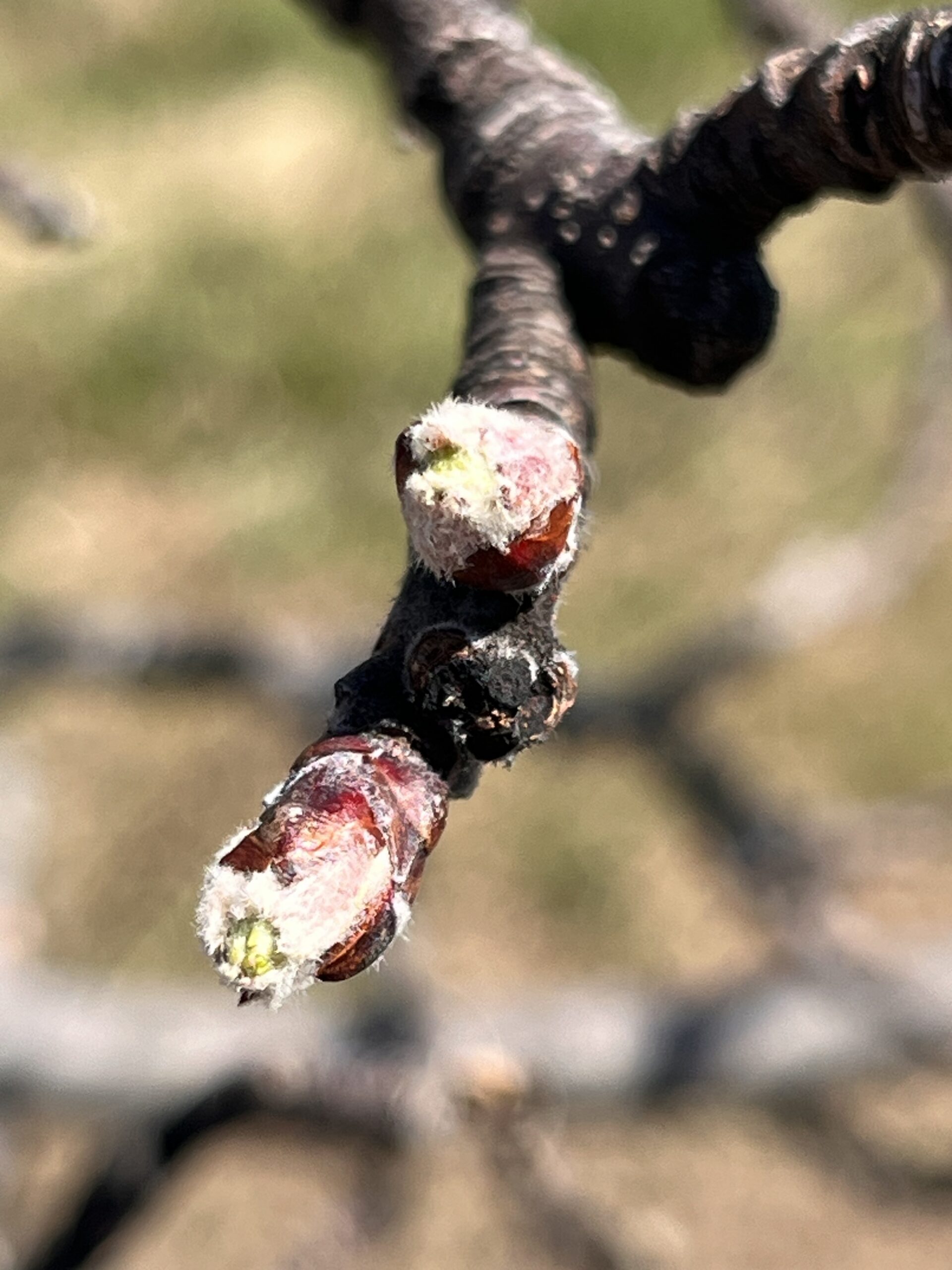
A Few Varieties Showing Green: Red Delicious, McIntosh, Golden Delicious and Ginger Gold all on M26 (below left). Also finding Crimson Crisp, Evercrisp, Cortland, Sweetango on M9 rootstock strains in various stages of green tip.
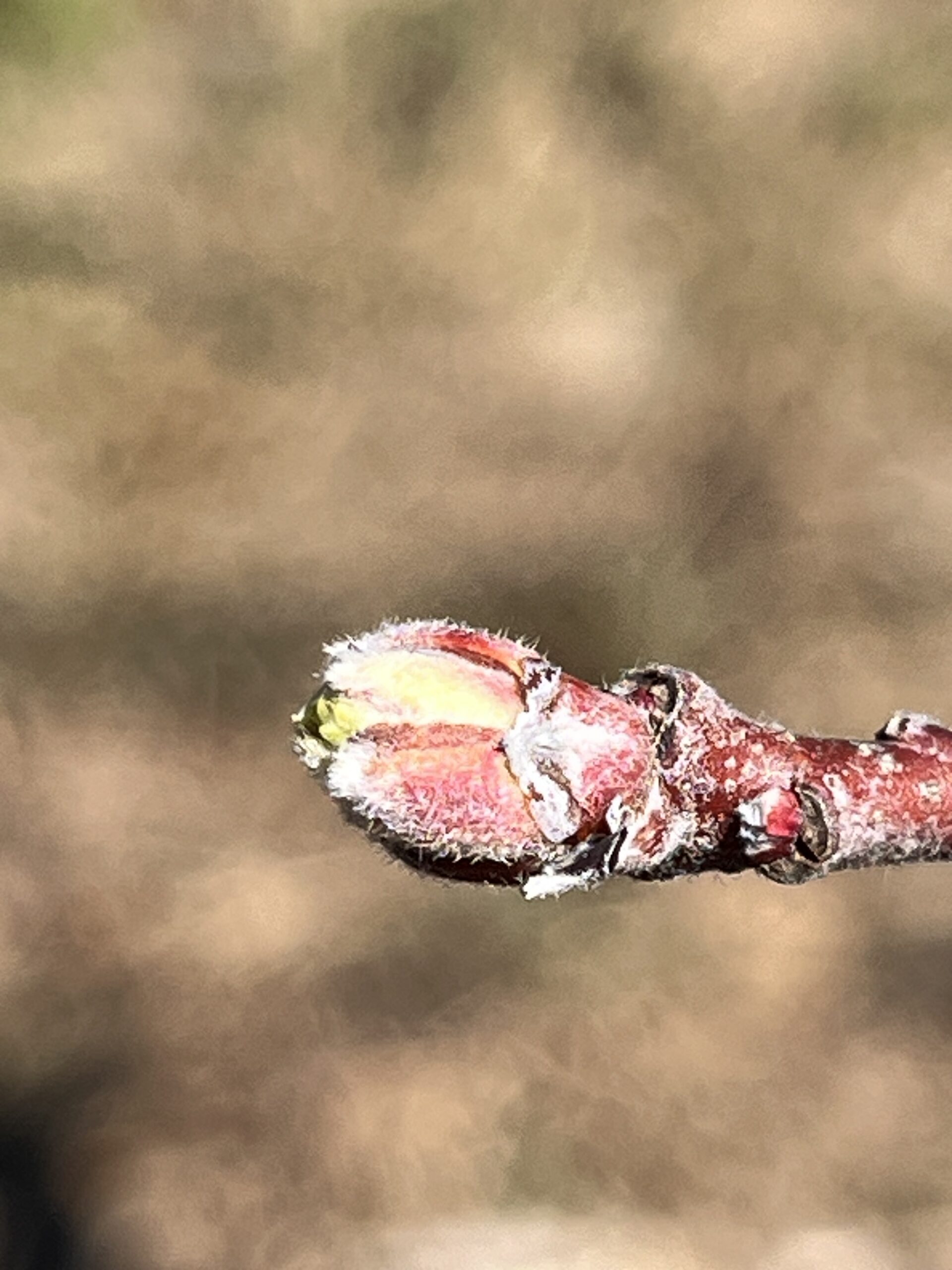
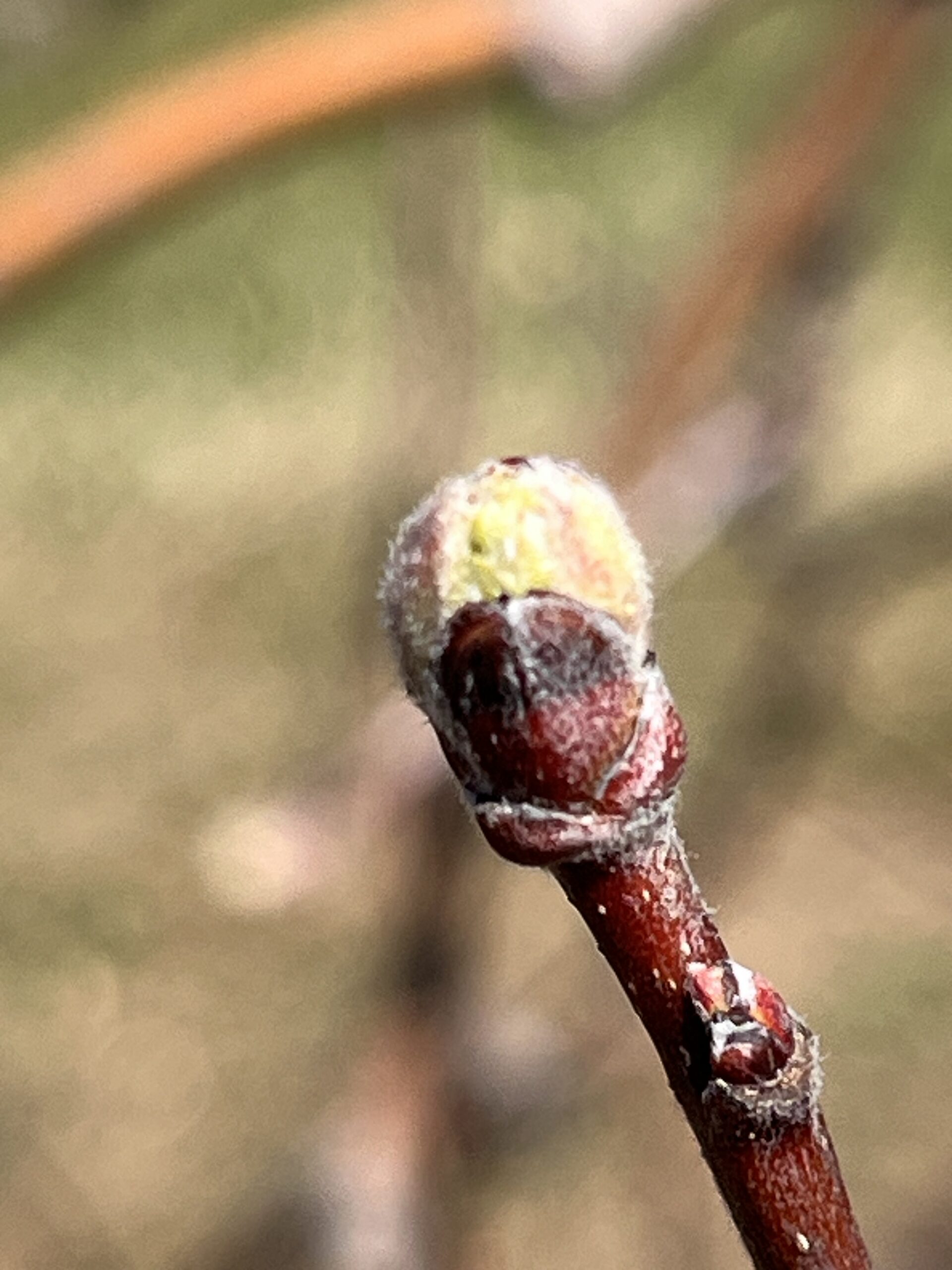
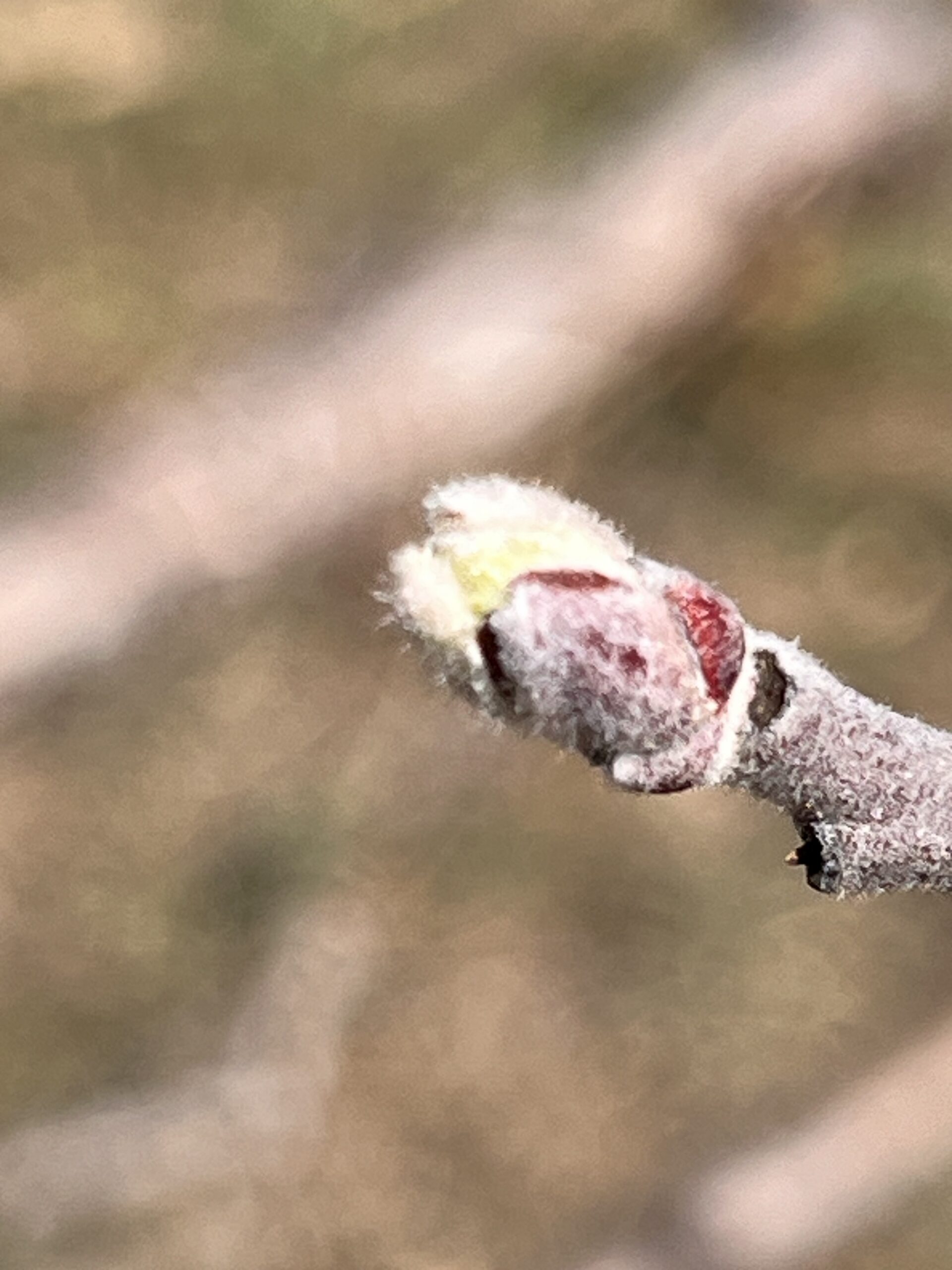 Details: For blocks that had San Jose scale (SJS) at pack out, multiple strategies should be considered and employed to manage SJS this season. Focusing on the pre-bloom period:
• Oil at 2% HIG and 1% TC on through the season will provide mite suppression and significantly reduce SJS. Yet, excellent coverage is essential for oil to smother European red mite eggs and scale as temperatures rise and as insects respire. Caution is recommended for applications this week as predictions of 37F with possible freeze events in lower sites. Additionally, rains are predicted from Wednesday through Sunday with high temperatures into the mid-70’s.
• Esteem 35WP @ 4-5 oz./A, Centaur 0.7WDG @ 34.5 oz./A or Sivanto Prime @ 10.5-14.0 fl.oz./A will provide commercial control of SJS applied at the pre-bloom stage of apple. Esteem does not need horticultural oil for SJS management to effectively control scale (but it moves and ‘holds’ the material well), specifically if freeze predictions are forecast. Additional strategies using Movento (and a penetrant at 32oz./ in 100 gal. water (0.25%) at petal fall. Additionally, emergence period of SJS crawlers using contact insecticides should also be considered if pre-bloom management is not made. Inverted black electrical tape with Vaseline on scale infested branch to determine SJS emergence is a helpful Rick Weires (HVRL) monitoring tactic….checked every few days.
Diseases: Apple Scab combined infection events are in the forecast for March 31-April 1st. with temperatures averaging 53-70F.
As you know freeze events will increase the chance for absorption of copper with oil leading to toxicity of green tissue. The same holds true for the use of Captan over oil residue. Uptake of these materials are phytotoxic to plant tissue if absorbed by developing foliage, resulting in deformed cluster leaves and loss of optimal photosynthesis for newly developing fruit and newly planted tree extension growth.
Fire Blight: As we now move past the dormancy of into early green tip, an application of Copper can be applied to kill developing apple scab and Erwinia bacteria on apple. It will redistribute from rains over the next few days to reduce early infections of apple scab and kill off inoculum of fireblight from cankers residing within the orchard.
If temperatures fall below 32F this week (not in the forecast…but forecasts change!). and if oil is used with copper and applied to green tissue on either side of freeze events, then copper ions will enter the plant tissue, killing plant cells.
The majority of copper products used in tree fruit production tend to be “fixed” or relatively insoluble in water and safer to plant tissue. When added to water fixed copper becomes a suspension of copper particles. As the copper particles are stable on the plant surface, residing on the surface of leaves, stems and branches as the application dries, the copper ions are ‘released’ slowly, reducing the risk of phytotoxicity while providing residual disease management.
Some points to keep in mind this spring regarding copper.
(excerpts from Dr. D.R. Rosenberger (Scaffolds March 12, 2012, pg.6-9)
1. ‘Solubility of fixed coppers increases under acidic conditions. As a result, copper sprays will become more phytotoxic if they are applied in an acidic solution. Acidifiers such as LI-700 and non-buffered phosphite fungicides should not be tank-mixed with copper fungicides.’
2. ‘When buds are already showing green tissue, do not apply copper just prior to predicted frosts because the cells ruptured by frost crystals may resorb and be killed by the copper on the bud surfaces.’
3. ‘Adjuvants have highly variable and largely unpredictable effects on the efficacy of copper sprays. We know from years of experience that copper products can be combined with oil in delayed dormant or green tip sprays if oil is being applied to control mites. Otherwise, using one quart of spray oil per 100 gallons of finished spray solution may enhance coverage of the wood in these early season sprays, but using higher rates of oil does not “lock in” the copper deposits to enhance residual activity. No other adjuvants are necessary or recommended on tree fruits.’