Factors Contributing to the 2025 Mid-Hudson Valley Apple Pest Management Anomalies
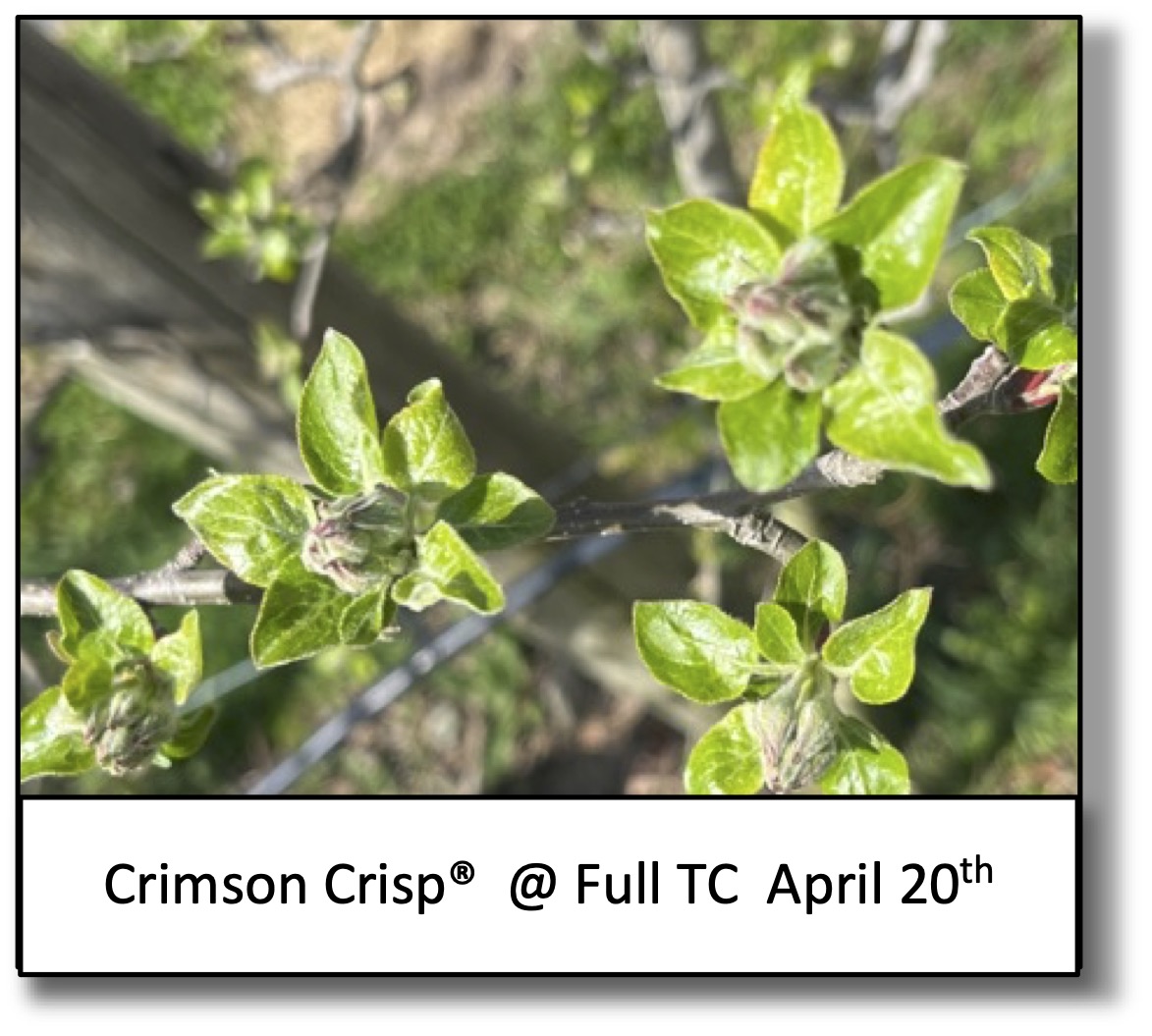
Rainfall accumulations & temperature events: Total rainfall accumulations for the growing season between March 1st and November 1st in Milton, NY was 33.7”, significantly higher than 2024 with 27.5”. The start of the 2025 season began relatively mild in March with higher than average rainfall up to April withrainfall accumulations of 6.8” in March (3.6” Ave.), well above average with 4.4” of rainfall in April (3.8” Ave.) causing low levels of orchard flooding leading to standing water and tree stress in low lying rows . Moderating temperatures in April ranged from 27.2oF to 84.7oF, increasing flower development from tight cluster to King Bloom in McIntosh.
 Average rainfall over the past 45 years in May (4.4”), produced significant single rain events this season with 9.4” by the end of the month. Heavy rains throughout the month resulted in Fireblight infections in late blooming varieties, along with standing water and tree stress in low lying blocks of rain resulting in 5.5” (4.2” Ave.) with one day at or above 96oF and 6 days above 90oF, with adequate pond water requiring low levels of irrigation. Generally early apple scab in susceptible varieties produced low levels of secondary inoculum causing light levels of late season infection. August and September experienced significantly lower than normal rainfall with accumulations of 1.9” (4.2” Ave.) and 1.5” (3.3” Ave.) respectively. Fruit maintained large size despite Fall ‘drought’ conditions supported by late season irrigation.
Degree-day accumulations: A strong return bloom was observed in Gala, McIntosh and Ruby Frost with Snapdragon showing light bloom and Fuji, Honey Crisp very light. By petal fall, were above the 45-year average of 508 43 BE and 261.1 respectively with PF accumulations at 529 43BE and 294 50BE . A wide temperature range of 31.8oF to 82.9oF occurred during McIntosh bloom from April 24-May 3. Mild temperature kept bees working flowers during the entire bloom period resulting in excellent fruit set.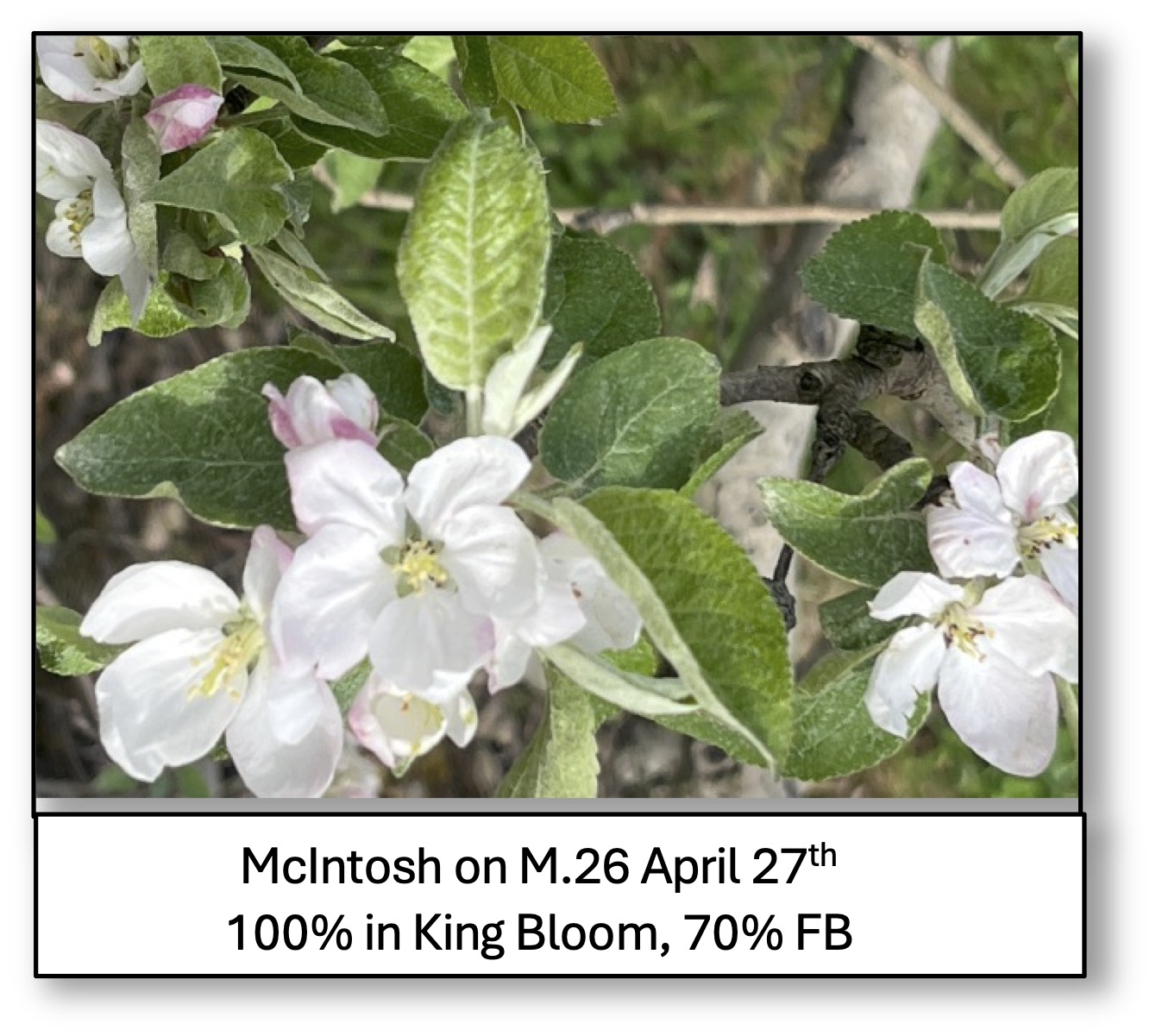
Bloom thinning for Honeycrisp began on the 6th – 7th, with means of 61.5 oF to break the alternate-bearing cycle with some growers utilizing the NEWA model for pollen tube growth to determine thinning window.
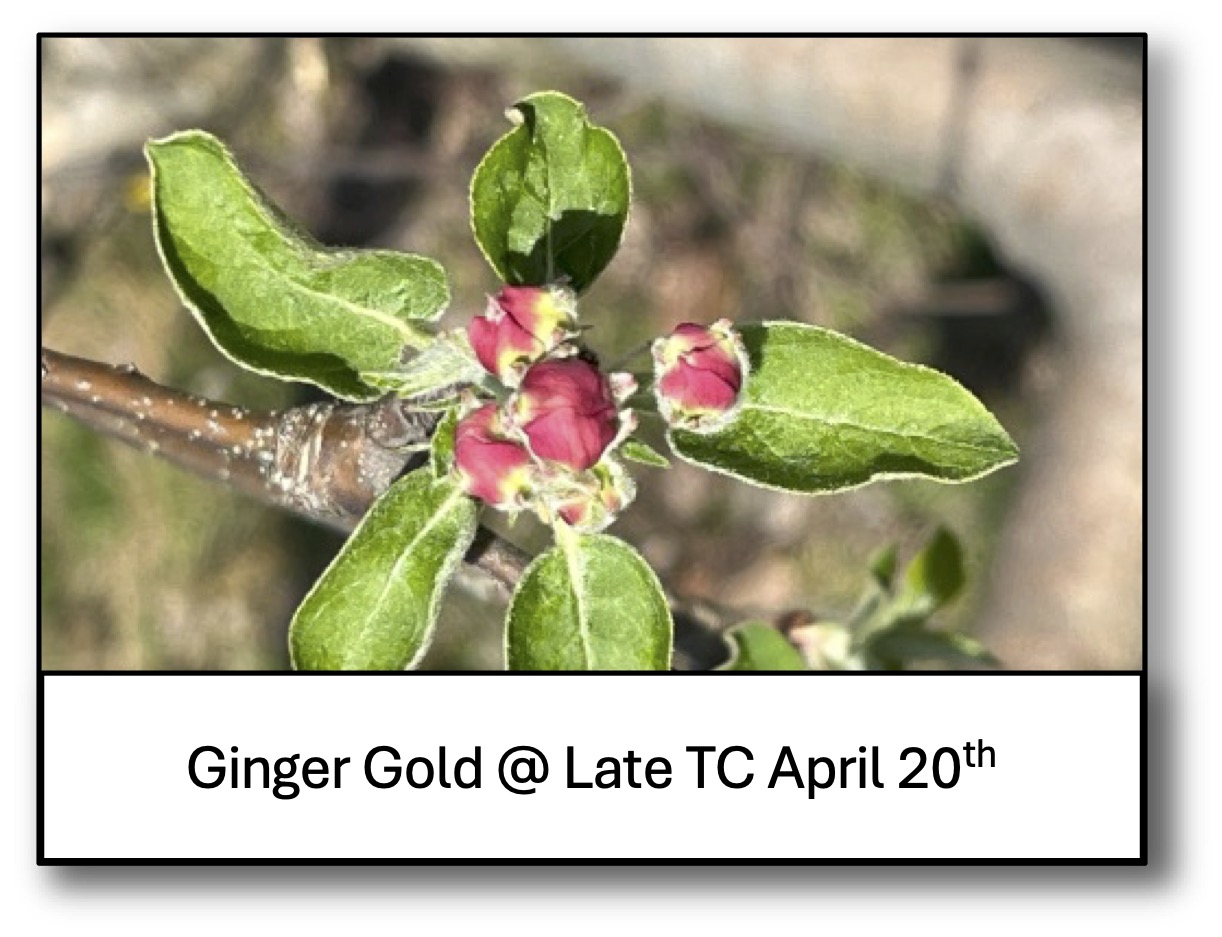
Tree phenology: Moderating temperatures in late March supported the onset of bud development with green-tip on March 30th in McIntosh in 30-75% of buds (43 yr mean 4th April McIntosh). Tight cluster followed on 20th April. McIntosh was showing full pink by the 24th April with king bloom by the 26th. A 9-day bloom followed, which is the 45-year average with >80% of petals open on April 28th. (The 45 Year Hudson Valley Apple Phenology for McIntosh can be found at the end of the page)
Mild temperatures fostered a 9d bloom in McIntosh (strain / rootstock dependent) with onset of bloom on April 25th with high flower count and strong pollination. Petal Fall of McIntosh began on May 3rd. Temperatures during fruit set and cell division in May ranged from 40oF – 85oF during the 10-days post PF with following seasonable weather. The apple crop required targeted thinning across varieties using moderate to strong rates in most commercial varieties.
Heavy rain events provided ample rain producing excellent conditions for fruit cell division and rapid cell growth. This may have contributed to internal browning in Snapdragon and other sensitive varieties. Return bloom applications of NAA in HoneyCrisp and Fuji were made into mid- late May. By the 26th of May, King fruit size had reached 25mm in McIntosh, 20.5mm in Ginger Gold and 15.6mm in Golden Delicious. Fruit cell expansion continued significantly with EverCrisp, Red Delicious and Gala sizing to 33mm, 32mm and 31mm respectively by June 7th.
Mid-late season hand thinning was required for Gala, Sweetango, Ruby Frost, Ginger Gold and Fuji in Mid-Hudson Valley orchards from late May into June. Optimum sunlight conditions provided excellent color development and overall a strong harvest with robust fruit size across varieties.
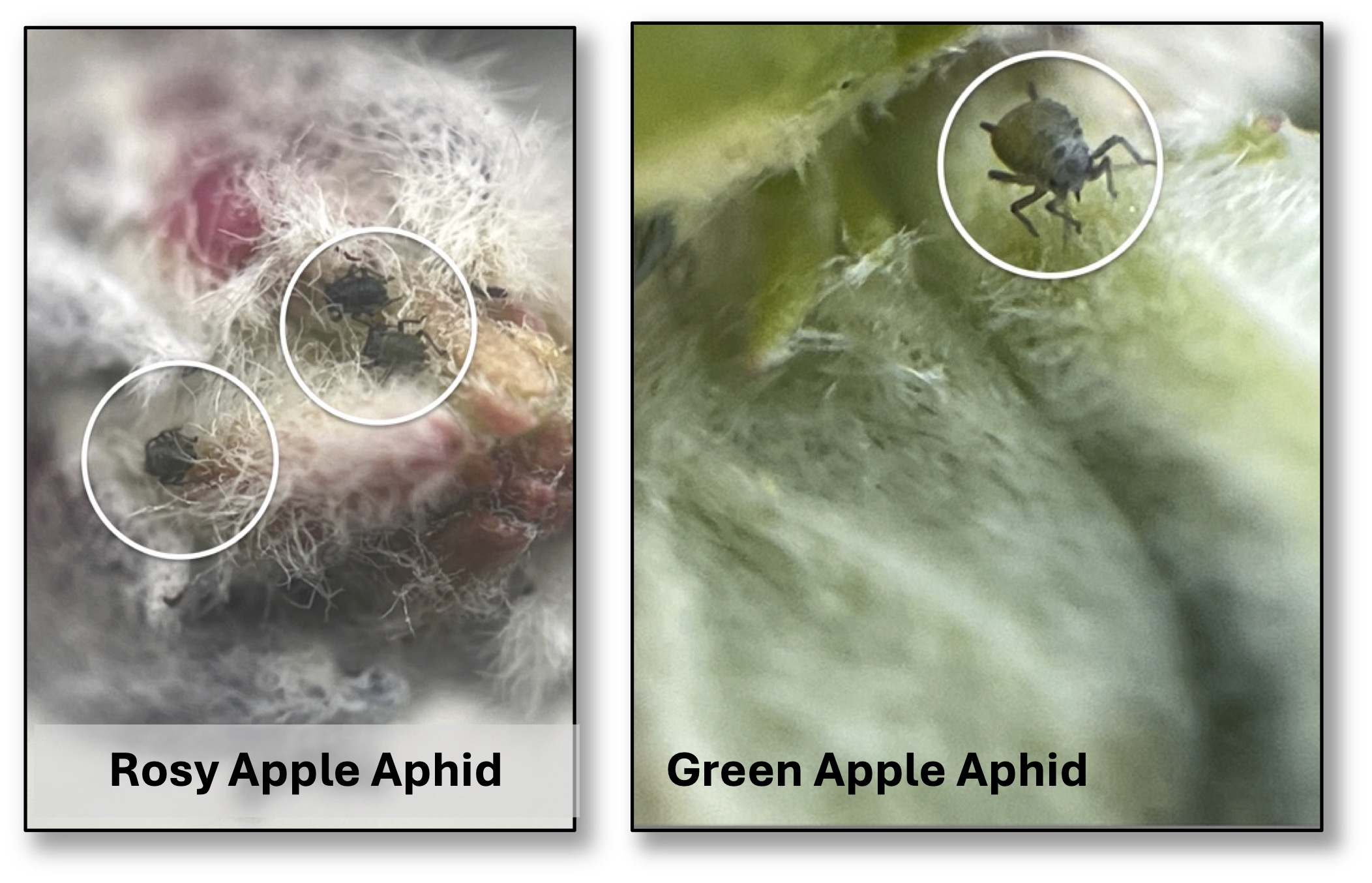
Insect Pest Management: Beginning at green-tip both Green & Rosy Apple Aphid were observed on April 3rd in developing Gala flower buds. As populations increased, feeding caused deformed foliage, flowers and fruit.
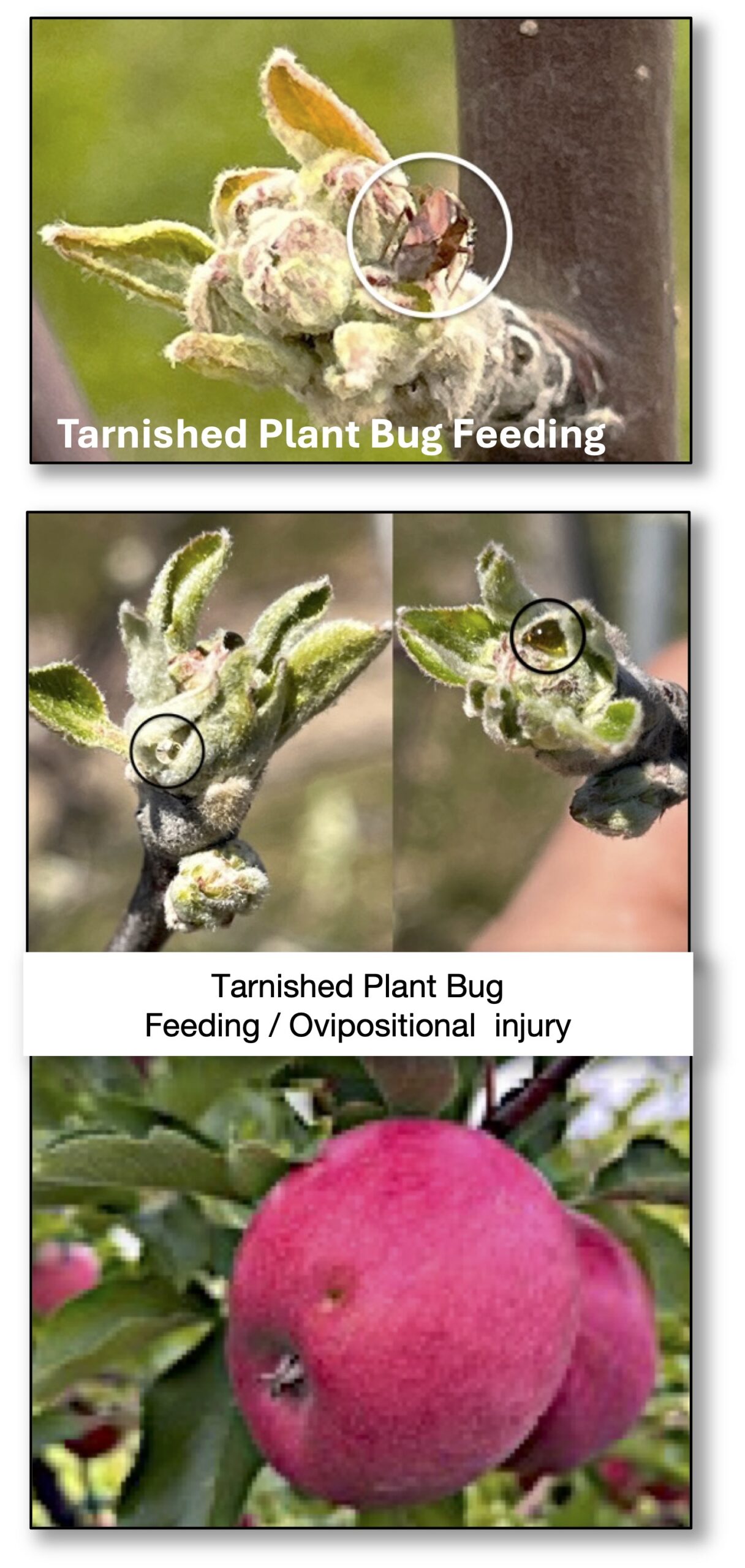
Tarnished Plant Bug (TPB) Lygus lineolaris presence in combination with other members of the plant bug complex, TPB management often begins at first feeding sites when temperature exceeds 70°F for two to three days. Thus, highest risk for damage occurs from tight cluster to the first cover spray, as adults move into orchards to feed on developing fruit.
TPB are often observed in orchards with abundant broadleaf plants leading to significant early-season apple injury by feeding on buds and young fruit. The insect injects toxin that causes bleeding sites, which can lead to bud abortion. Feeding also causes deep, sunken, conically shaped dimples coined “catfacing” (distortion), and corky, russeted tissue.
In 2025 TPB feeding caused significant injury to developing flower buds during early tight cluster. Bleeding sites and sap droplets signified injury to the fruiting clusters above 5%.

Mullein Plant Bug (MPB) Campylomma verbasci (Meyer) During pre-bloom nymphs are considered beneficial, feeding on mite and aphid species.
Yet they may become a sporadic orchard pest on pear and apple residing in Mullein plants and moving into apple during bloom.
Mullein Plant Bugs were observed in abundance causing significant fruit injury, found to be well above the seasonal average in Ginger Gold in Orange County.
As such MPB required pre-bloom management in Ginger Gold this season in many orchards. Fruit injury in this variety exceeded 5% in isolated blocks.
Obliquebanded Leafroller (OBLR) Choristoneura rosaceana is a Tortricid moth native to North America. Larvae feed on a wide range of Rosaceae, including apple, peach, and pear.
It is an endemic pest, residing in the orchard and as such,can develop resistance to pest management programs. It was considered a major pest up to the advent of the Bt’s, and development of Diamide and Spinosad tools.
Generational rotation of active ingredients is needed. As such, this insect has been well managed in commercial orchards over 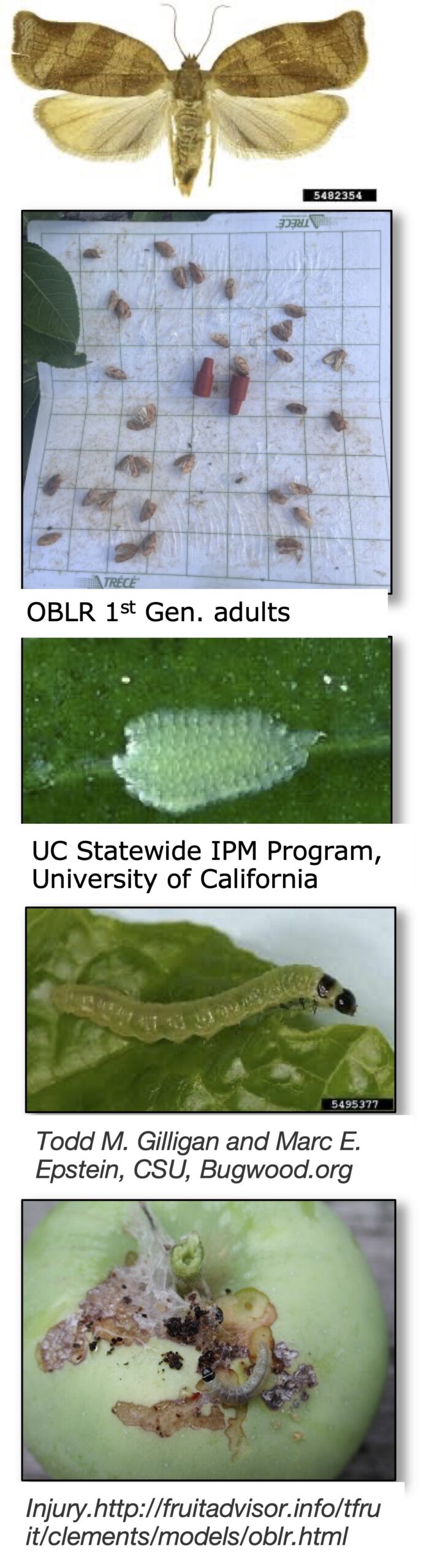 the past 15 years with very low levels of OBLR larva observed in 2025. Yet, very high numbers are captured every year, requiring timely and consistent management.
OBLR have 2 generations each season in NY. The 3-4th overwintering instar larva emerge during the pre-bloom period (Tight Cluster-Pink) and begin feeding on developing flowers. Scout to determine the need for lepidopteran management including Green Fruitworm and Redbanded Leafroller.
Female lay single clusters containing >200 eggs on the upper leaf surface, hatching in 10‐12 days. Larva live and feed within curled and webbed foliage, feed only on the fruit surface, webbing leaves to clustered fruit for protection. Mature larvae reach 1 inch in length and have a black banded thorax. Monitor the adult flight using pheromone trapping to establish the Biofix for determining larval emergence for 1st treatment.
Black Stem Borer (BSB), Xylosandrus germanus is a forest pest in the U.S. introduced from Eastern Asia and first detected in New York in 1932. It has since been detected in most parts of the U.S. and recently detected in 2013 in six orchard sites in the Lake Ontario fruit region of New York.
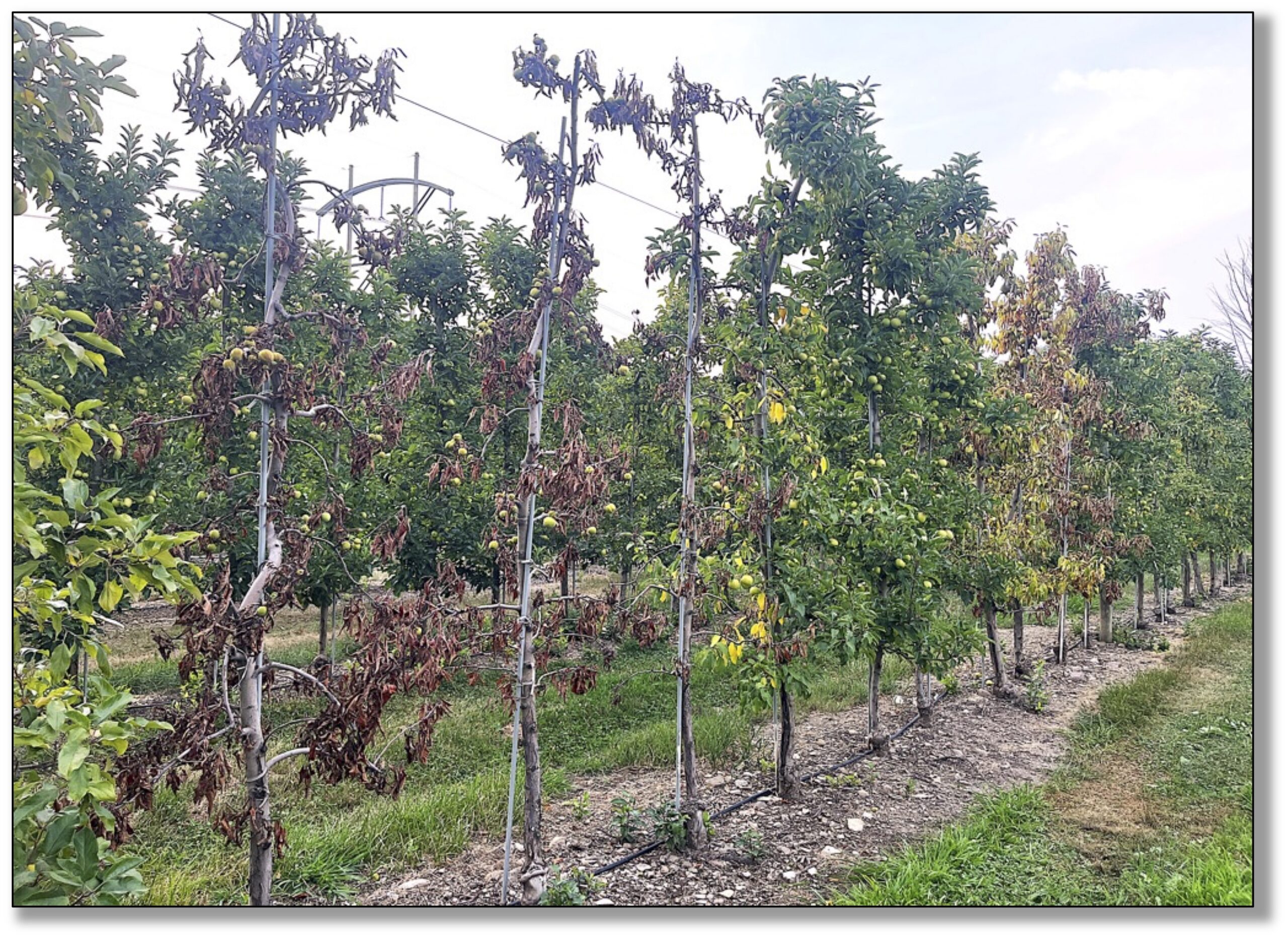
BSB were observed in young stressed, newly planted and grafted trees. Emergence beginning in late April through May began with tree infestations, bleeding sites and toothpick frass from beetle entry holes. Female create tunnels and galleries to rear grubs, fed on fungal mycelium. (Image below Left). Later in spring, tree infestation express with yellowing foliage (Image Below right). Varieties varied (Gala, Honey Crisp, Fuji, Pink Lady…) yet the rootstock M9 T.337 stands out with highest level of trees in decline.
Research in NY, Ohio and North Carolina have shown that trees growing in saturated soils (producing water stress) tend to develop and release ethyl alcohol as the root zone goes into anaerobic respiration during wet periods. The ethyl alcohol acts as a host finding mechanism to an insect complex known as Ambrosia Beetle of which the black stem borer is one of many species in this beetle group.
Yet the underlying cause of tree decline was recently discovered through the research conducted by Dr. Jason Londo, Professor, School of Integrative Plant Science, Horticulture Section, Cornell AgriTech. Dr Londo found rootstock resilience as directly correlated to cold hardiness as the underlying cause of BSB infestations. Physiological stress caused by erratic winter weather, differences in rootstock resilience in transitioning from acclimation during freeze events, to deacclimation during mid-winter warming and again reacclimation back to freeze events separate rootstock strains.

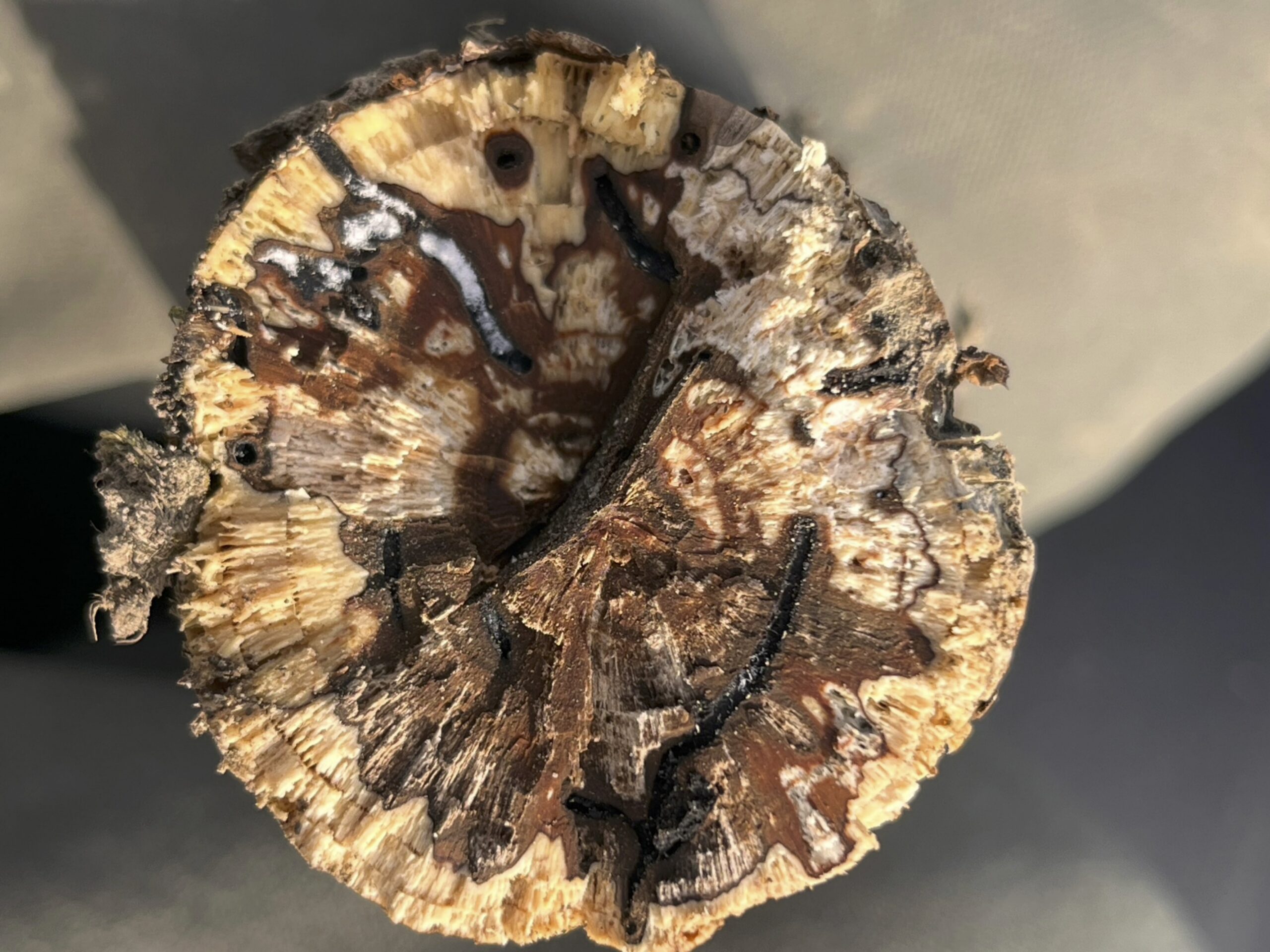
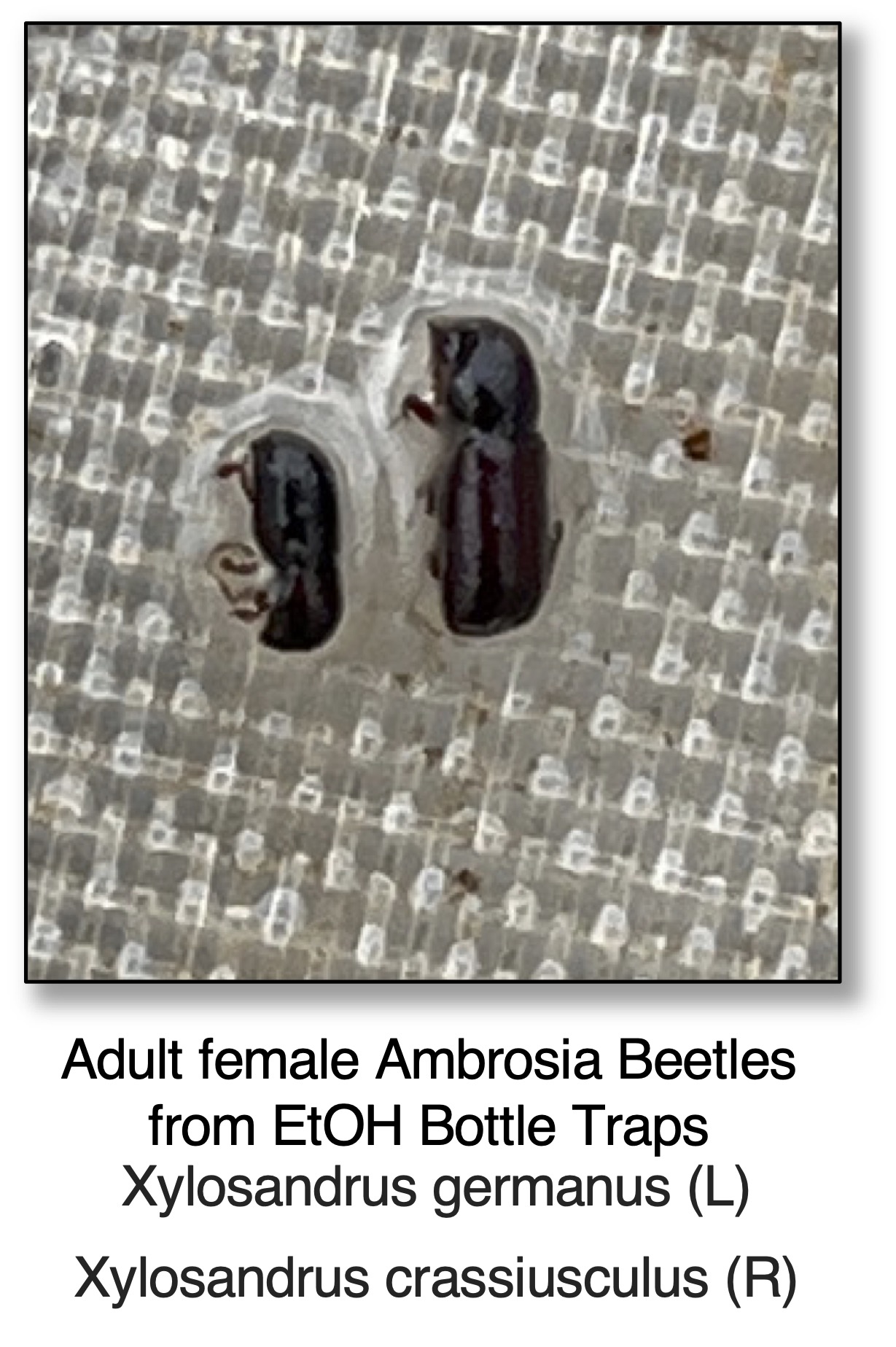
Unfortunately, given the loss of Lorsban (chlorpyrifos), there are no viable treatments that will provide complete protection from Black Stem Borer Adult female infestation at this time. This includes the pyrethroid complex which will provide only limited reduction in levels of infestation.
- Permethrin, Warrior II (lambda-cyhalothrin),Bifenture (bifenthrin) and Danitol (fenpropathrin) will have the highest level of efficacy based on studies in Michigan. High-volume handgun sprays should be applied directly to the trunk to runoff for trees 3 inches or less in diameter. The first spray should begin at the onset of the first spring flight (around 75–100 GDD base 50°F which coincides with full bloom of Forsythia.
European Apple Sawfly (EAS) Hoplocampa testudinea (Klug) (Adult EAS Image Right) activity occurred in moderate numbers this season with early varieties without pink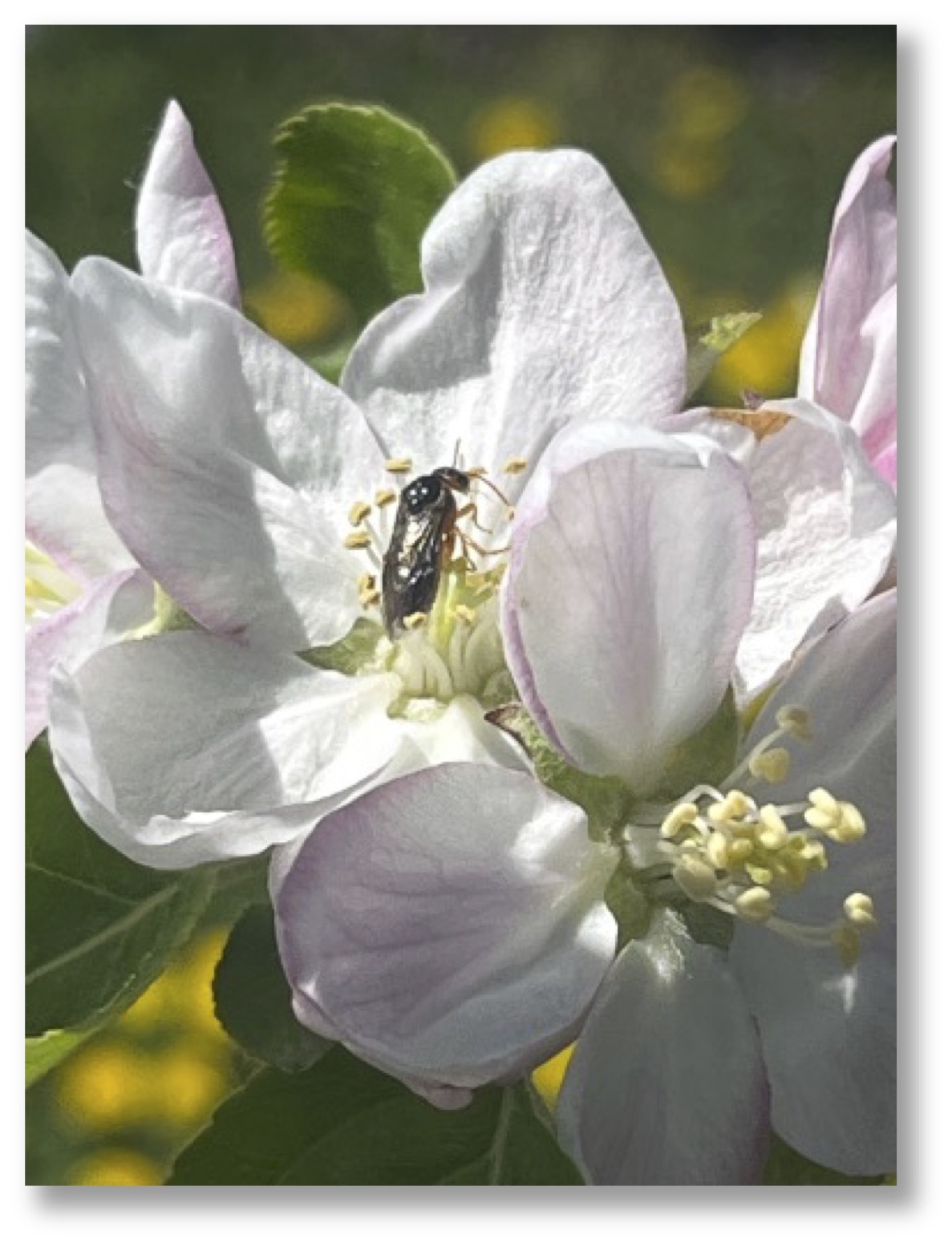 applications showing a range from 0.5% to 5% injury in cluster fruit evaluations. Relatively high populations observed in commercial orchards during bloom. Pink and timely petal fall applications had significantly reduced EAS oviposition and larval survival. Early harvest assessments had >1.0% EAS injury in perimeter fruit of Pink Lady, Snapdragon and Ruby Frost in Ulster County without pre-bloom applications.
Plum Curculio (PC) Conotrachelus nenuphar is a major pome fruit pest . The univoltine “northern strain” in the Hudson Valley emerges near the onset of bloom as night temperatures exceed 60oF, producing a single generation on stone and pome fruit. PC eggs develop into larvae within the fruit, then pupate, emerging as adults from mid-July to August. Summer feeding in commercial orchards can occur on fruit prior to retreating into stone wall and woodland overwintering sites. On apple, feeding and ovipositional injury was observed beginning May 11th. Timely applications at petal fall can be challenging if bloom lingers. As such, efficacious Pink applications for PC emergence may buy you ‘insurance’ for successful delayed pollination and added efficacy for Plum Curculio during a possible delayed PF application. Products containing Thiamethoxam, such as Actara, and premixes Voliam Flexi, Endigo, Agri-Flex, should not be applied at pink or a petal fall given their systemic (in nectar and pollen) and direct toxicity to pollinators. Applications of Actara made at Pink have been cited to reduce pollination by honeybees.
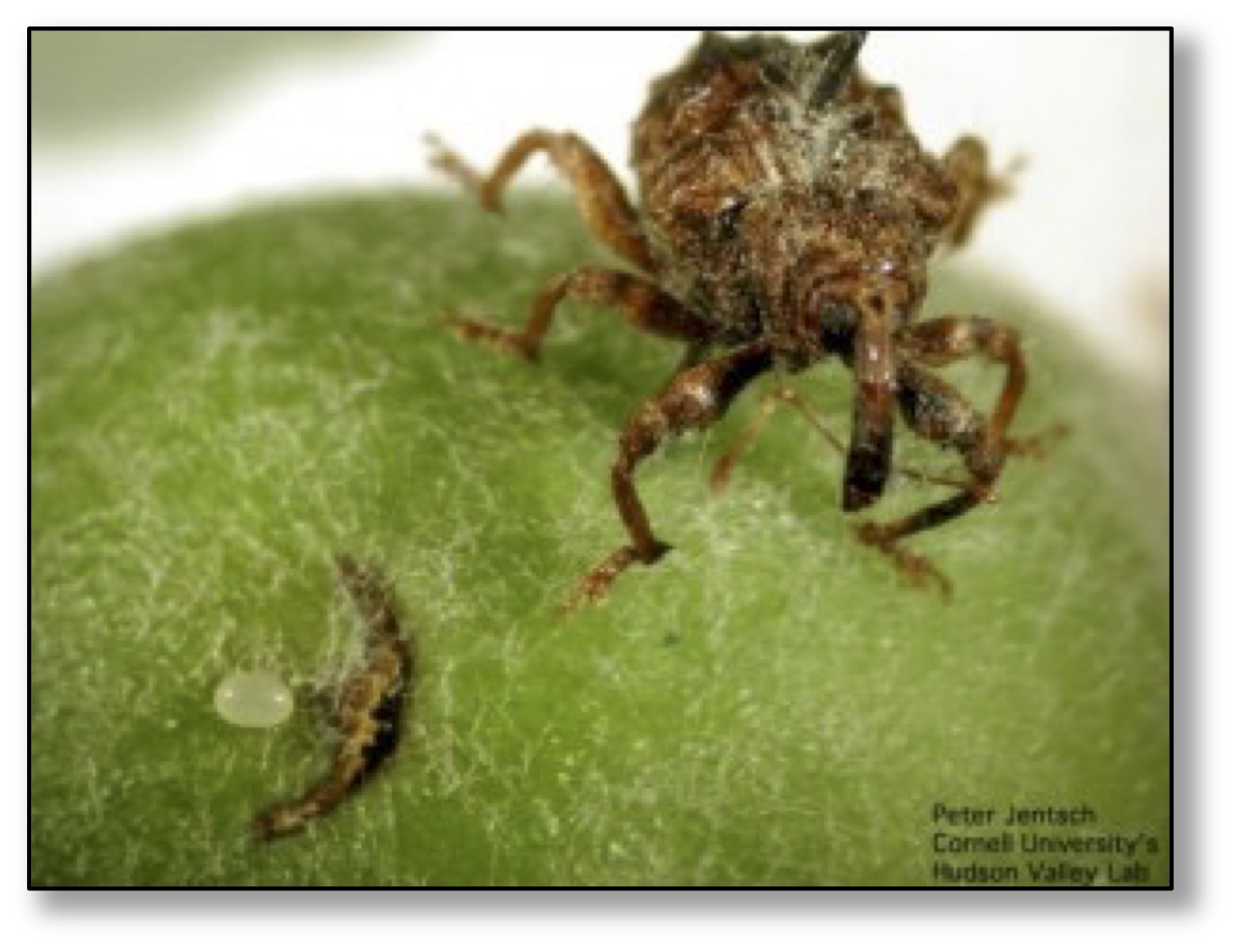
Hudson Valley orchards, typically surrounded by woodlands and abandoned apple plantings, are challenged with very high populations of Plum Curculio. Rain events often occur shortly after petal fall applications and during peak emergence of PC adults. Employing highest labeled rates and short interval applications between petal fall (PF) and first cover (1C) has been a standard for effective Plum Curculio management.
Consider employing a direct PC adulticide such as Imidan (Phosmet) or Avaunt (indoxacarb) at Petal Fall using high rates, followed by Actara(Thiamethoxam) at 1st cover, as a curative for killing PC adults and eggs deposited in the fruit. The 2nd cover application will likely require insecticide efficacy for PC and 1st generation Codling Moth larval activity. Voliam Flexi combines the active ingredients Thiamethoxam (Actara) to kill PC adults and eggs, and chlorantraniliprole (Altacor) to manage CM larva, followed with Altacor for the 3rd application to complete management of the 1st CM generation (resistance management).
In 2025 McIntosh was showing full pink by the 24th April with king bloom by the 26th. A 9-day bloom followed with >80% of petals open on April 28th with Petal Fall on May 3rd.

Codling Moth (CM) Cydia Pomonella is Lepidopteran and member of the family Tortricidae. CM is a major pest of pome fruit which does not feed on foliage,requiring fruit to survive. During the day, CM adults remain at rest, well camouflaged, on the bark of trees, tending to fly during the night. If the temperature is above 10-15.5°C (50-60°F) at dusk, the moths become active, mate, and the females lay their eggs. Under similar conditions, the moths can also be active at dawn. A female may lay up to 100 eggs.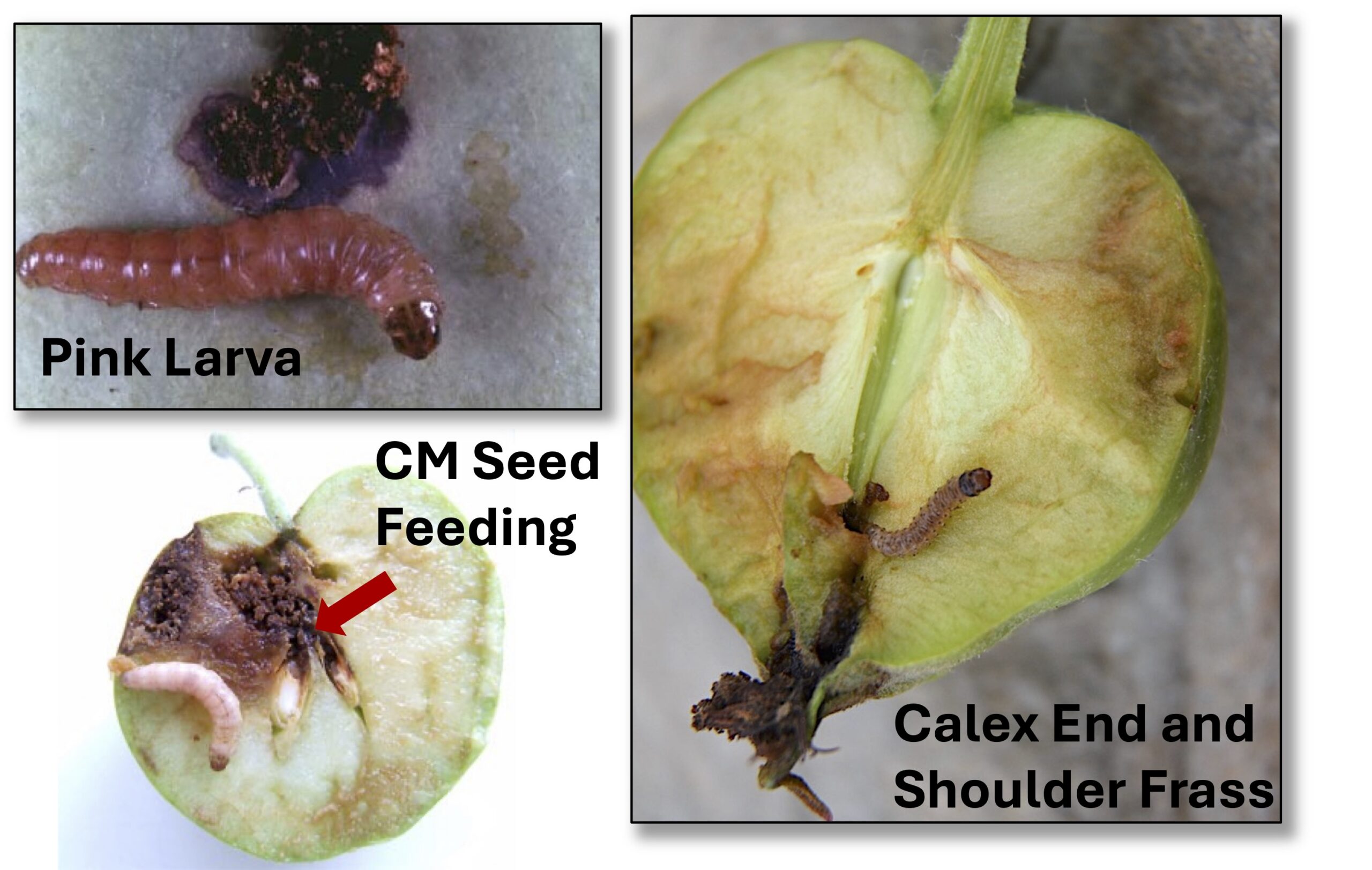
First trap capture occurred 5th of May, with sustained capture Biofix occurring on May 8th . The first egg hatch predicted to occur at 221 GDD (Milton, NY on 29th May) … earlier in warmer sites (Orange and Westchester Co.). Rains delayed the 1st application until 2nd June. Fight for the second generation began at approximately 920 GDD after the biofix date.
Diamides (IRAC 28 (Altacor, Exirel, Verdepryn 100 SL) applied at 1st generation egg hatch and Spinosad products most effective in rotational programs. The second generation requires a unique IRAC group such as the Spinosad IRAC Group 5 to 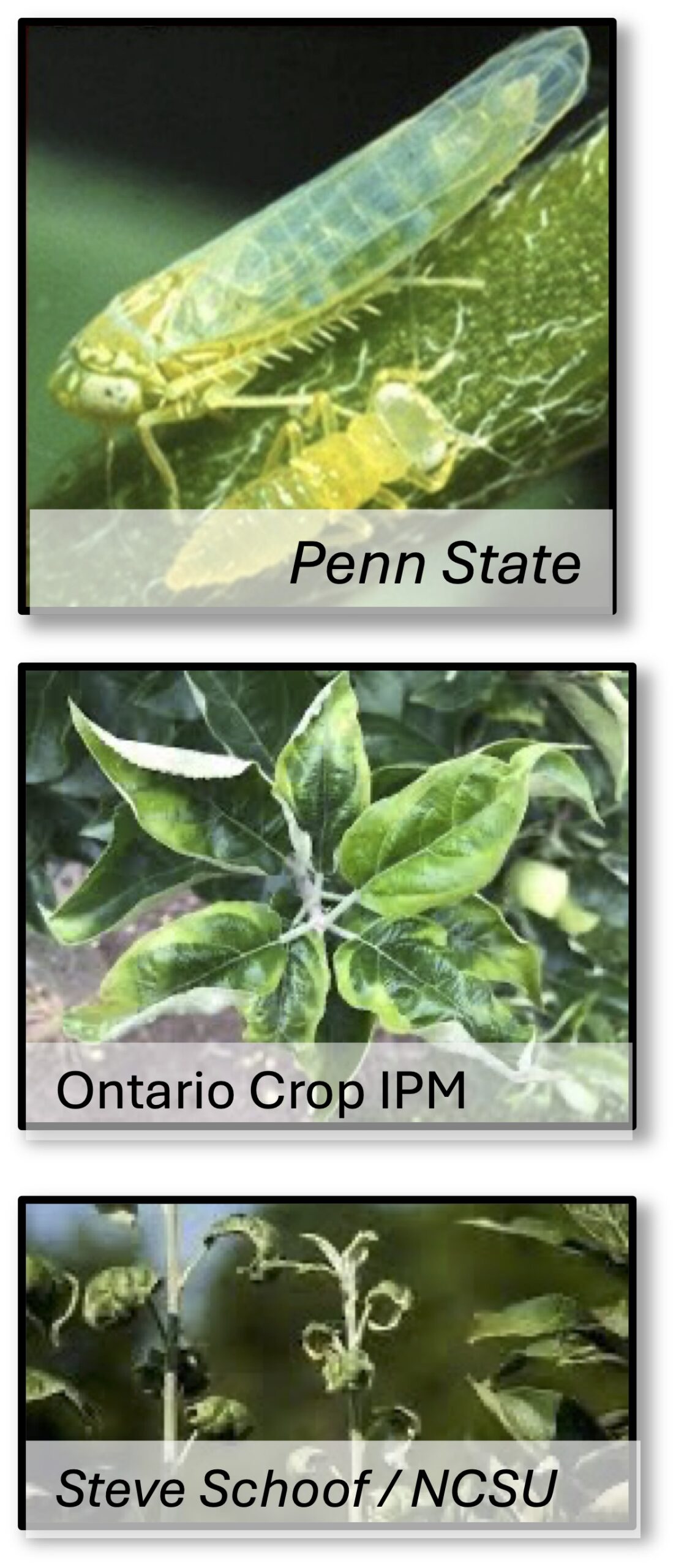 maintain resistance management protocols. Be mindful of the loss of efficacy of the pyrethroid group in warm weather as insects generally can begin detoxifying pyrethroids as temperatures rise above 70°F (best used in spring ie pre-bloom).
Potato Leafhopper (PLH) Empoasca fabae adults alight from the mid-west crops into easterly thermals and during storms to descend into Hudson Valley orchards in June. Adults are light green, wedge-shaped, and about 1/8 inch long. They are highly mobile and will move sideways when disturbed.
They have piercing & sucking mouthparts, feeding on newly developed leaves and shoots. This feeding restricts phloem and xylem as they inject toxins into cambium cells causing foliar “hopperburn,” turning leaves yellow and curling shoot leaves. Potato leafhoppers are also known to potentially increase the risk of fire blight in apple orchards.
Most of the damage is in reducing terminal growth of newly planted trees, stunting growth and inhibiting crop load potential. Manage the nymph and adult stage of this pest in young trees during early establishment. Using low-rate neonicotinoid insecticides applied at frequent intervals during the PLH migration period, will provide continued growth of young tree terminal growth.
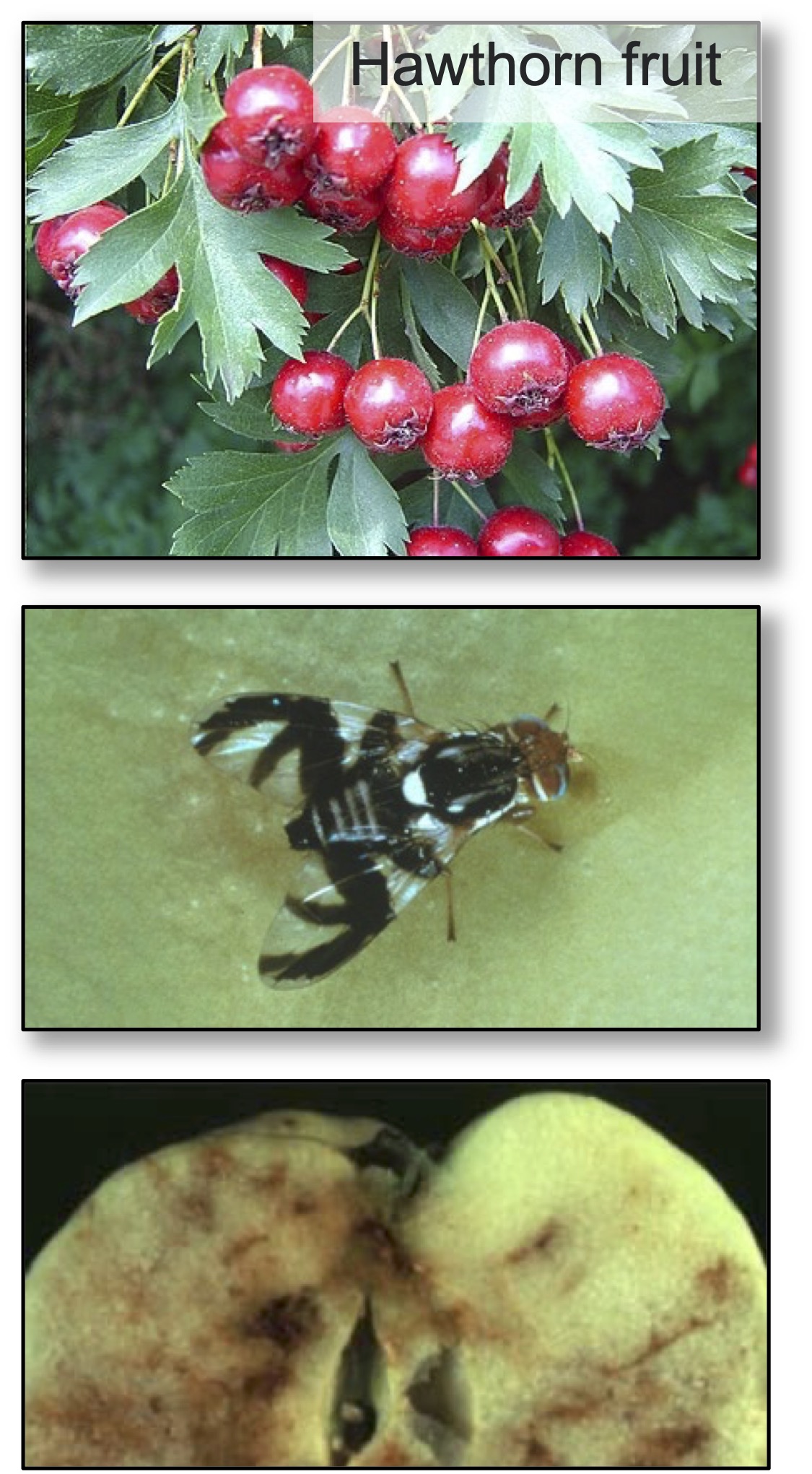
Apple Maggot (Rhagoletis pomonella) is a major native pest of apple in the United States. In the late 19th century, it was named “railroad worm” due to the winding, brown tunnels the larvae leave in the fruit.
Hawthorn had been theprimary ovipositional host of AM, prior to malus (apple) cultured during colonization in Northeast apple plantings in the early 1600’s. Upon emerging from the soil, a single generation (north of New Jersey) begin mating in June. Apple maggot flies puncture apple, deposit eggs which hatch as legless larva to tunnel and feed on fruit flesh. Larva drop from the fruit and burrow into soil to pupate and overwinter.n the late 19th century, it was nicknamed the “railroad worm” due to the winding, brown tunnels the larvae leave in the fruit.
Originally Apple Maggot was a pest throughout the Northeast and Canada. Recently the pest was detected in Oregon in 1979, spreading across the Pacific Northwest orchards in Washington and California.The spread of the apple maggot led to quarantine regulations on the movement of fruit from infested regions, to prevent further spread, particularly in the Pacific Northwest,.

In unmanaged Milton and Clintondale, NY orchards, the 1st AMF was found on 21st June in red spheres. This was followed by 76 AM flies by June 27th. Unmanaged and abandoned orchards gave rise to perimeter infestations in Hudson Valley commercial orchards over the past two seasons.
In unmanaged Milton and Clintondale, NY orchards, the 1st AMF was found on 21st June in red spheres. This was followed by 76 AM flies by June 27th. Unmanaged and abandoned orchards gave rise to perimeter infestationsin Hudson Valley commercial orchards over the past two seasons.
Grower management at the onset of 2nd Generation Codling Moth employed 4 applications of Assail (Acetamiprid) during 1st emergence of Apple Maggot, providing excellent control of both insects.
The locally systemic nature of the neonicotinoid class (IRAC 4) specifically Acetamiprid, provides long inhibition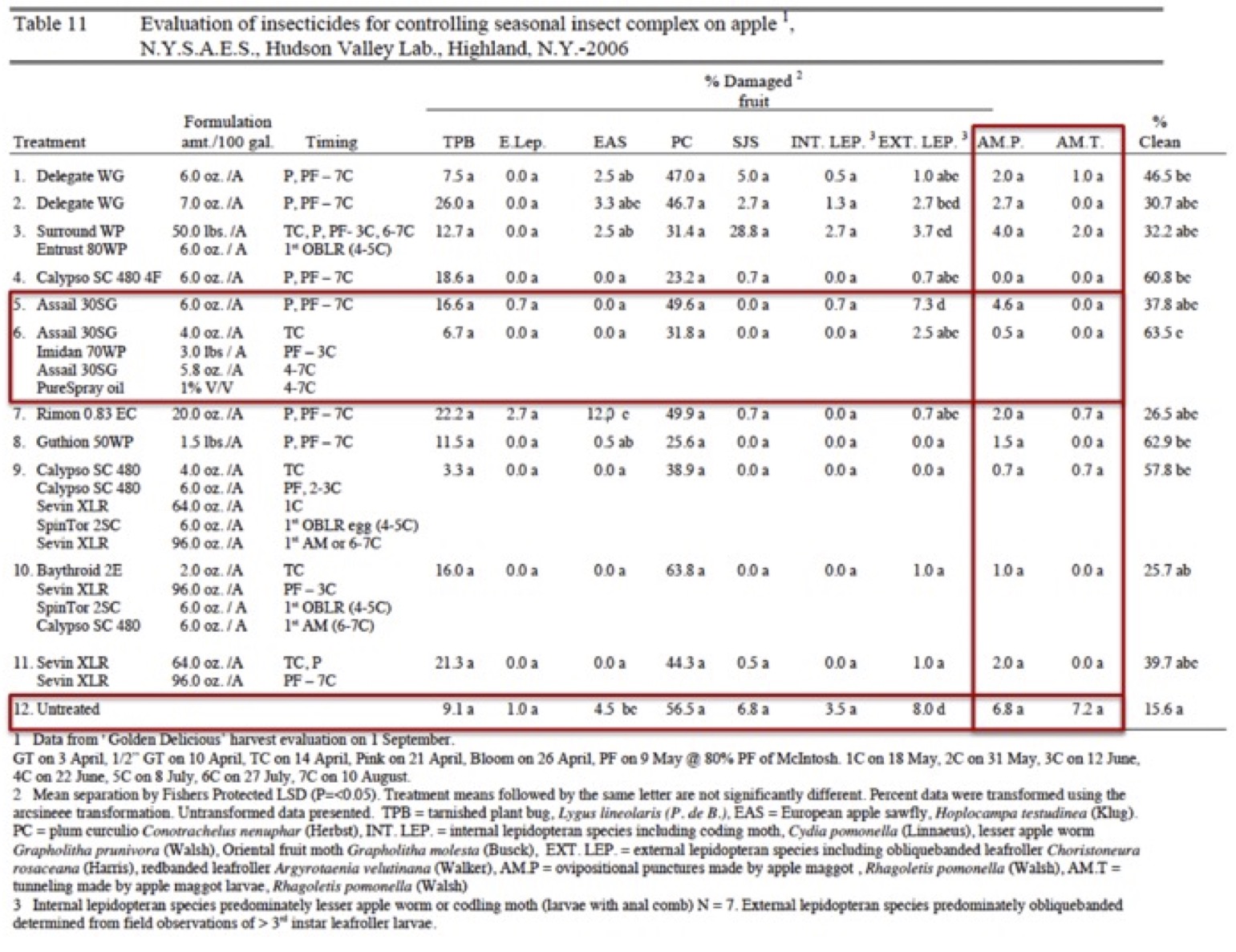 of AM larval development.
However, Assail does not kill the fly unless it feeds on the insecticide, thus allowing high numbers of AM fly in red sphere sticky traps and allowing low levels of oviposition of fruit.
Yet inhibition of hatch of the larva beneath the skin of apple provided high levels of ‘clean’ fruit (ie. no developing larva)
In comparative trials, Assail has performed very well in insecticide field studies (right).
Late season Assail also provides excellent 2nd and 3rd generation Codling Moth control when used in a rotational program….

Two species of leaf feeding mite, Two Spotted Spider Mite (TSSM) and European Red Mite (ERM), inhabit orchard trees. Feeding reduces photosynthesis, return bloom, fruit size, quality, color, causing pre-mature drop of fruit & leaves. TSSM feeding causes greater injury at lower numbers than do ERM, requiring lower management thresholds.
Generally, as temperatures rise, mite populations adult increase. Increased temperatures then increases the number of mite generations / season, with rapid / increasing injury levels (Chart 1. below). This is especially relevant to TSSM

Early management and maintenance of mite populations beginning with a late dormant / silver tip application of 3-1% oil.
Take caution during early season freeze events from green tip through ½” green, highly recommended to avoid using oil sprays 48 hours before or after a frost or freeze event. Additionally, early Captan use should be outside of oil applications by 10-14 days.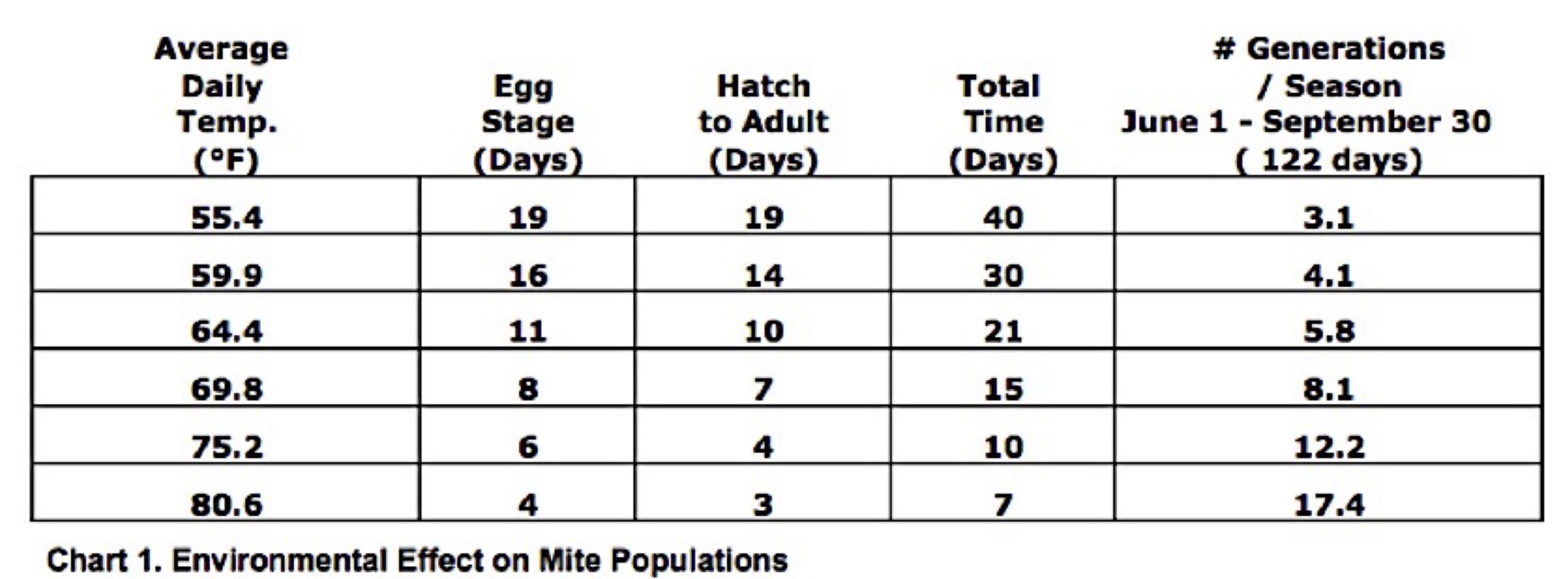
Additional pre-bloom applications of ovicide, larvicide and adulticides for European Red Mite were not required in most orchards until post bloom due to heavy rain events.
Rotation of mid-late seasonal miticides requiring oil continues to be challenging due to late season lingering Captan residue during low levels of rain.
Stink Bug: Two native species include the native green stink bug (GSB), Acrosternum hilare (Say) and brown stink bug (BSB) (Euschistus servus) (Hemiptera: Pentatomidae) continue to cause injury to tree fruit during the latter part of the growing season.
The BSB resides in broadleaf plants such as Curydock feeding on developing seeds. The GSB and the Brown Marmorated Stink Bug, (BMSB) Halyomorpha halys (Stål) are arboreal insects, residing in woodland tree hosts.
The invasive BMSB continues to cycle from deciduous woodland into orchards beginning in mid-July despite the distribution (2018-20) and presence of the egg parasitoid Samurai Wasp, Trissolcus japonicus into Eastern and Western fruit growing regions of NYS.
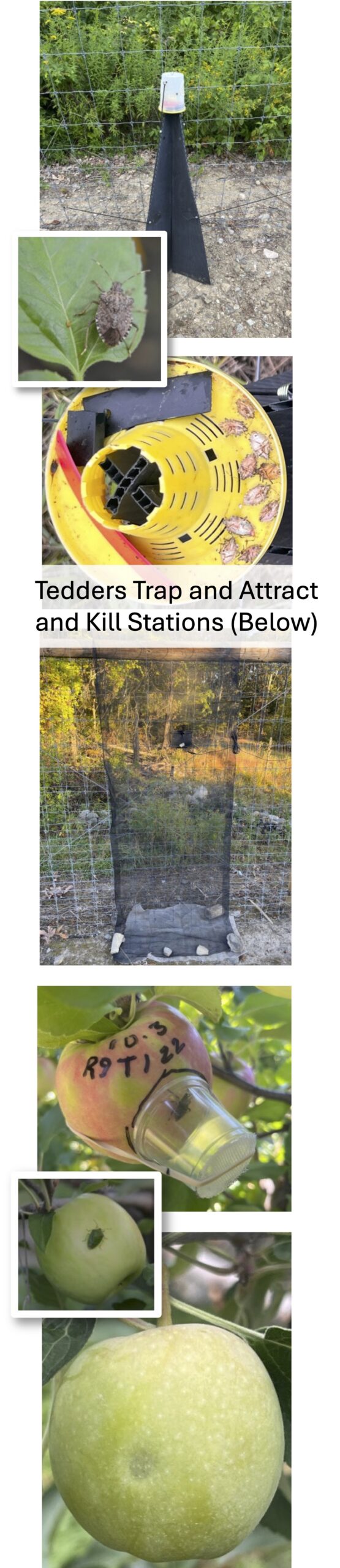
First BMSB trap captures in 2025, using both Tedders Trap and Attract and Kill Stations occurred on 15th July in Orange County. In colder sites in which winter temperatures fell below -6oF employed, fewer BMSB were observed. The threshold of 10 BMSB/Trap was observed in Milton, Clintondale, and throughout Orange County, with many growers using Bifenthrin based products such as Brigade to manage the pest. Yet the MRL’s of Bifenthrin exceeds export limits when applied to late season fruit.
To address this, the use of Venerate XC, having been field and laboratory studied in multi year RCBD trials, was found to inhibit BMSB feeding , reducing fruit injury by >85%, provides options for export of high valued varieties. The product does not provide mortality of the insect.
The Asian micro-hymenopteran Samurai wasp, Trissolcus japonicus was observed emerging from BMSB eggs found in southern Ulster County in 2016. Upon NYS EPA / DEC approvals our HVRL entomology team developed both BMSB and T. japonicus colonies, employing -80C frozen BMSB eggs for rearing Samurai. By 2020, 155 redistribution sites of Samurai wasp of approx. 7800 adult Samurai Wasps had been deployed across NYS with Samurai Wasp release locations in WNY and the Hudson Valley.
Dogwood borer (DWB) (Synanthedon scitula) have been well managed over the past 15 years using DWB mating disruption (MD) (Isomate-DWB @ 100-200 dispensers/acre application rate dispensers applied before adult flight begins in mid-May to early June).
Yet DWB MD is not perfect, as larvae continue to be observed along perimeter blocks adjacent to woodland and homes where alternate host such as Dogwood trees reside. The larvae are white-to-light pink, 1/2-inch in length, infesting lower apple tree trunks, particularly targeting burr knots on clonal/dwarf rootstocks. They cause damage by feeding on the inner bark, resulting in reddish frass, loose bark, and weakened trees.
Mating disruption, as a foundational tool in DWB management, should continue with the addition of trunk applications, such as Assail 30SG, as a course trunk application along perimeter rows as needed employing trunk scouting efforts targeting burr knots, often found on M.9 series, M.26… rootstock.